
DeMaKids was the first project that I worked on as a researcher after finishing my PhD. The project was funded by North-Osthrobothnia Regional Fund, and aimed to empower children through technology making and designerly thinking in education. In the project, we created two different workshop packages for pupils of different ages:
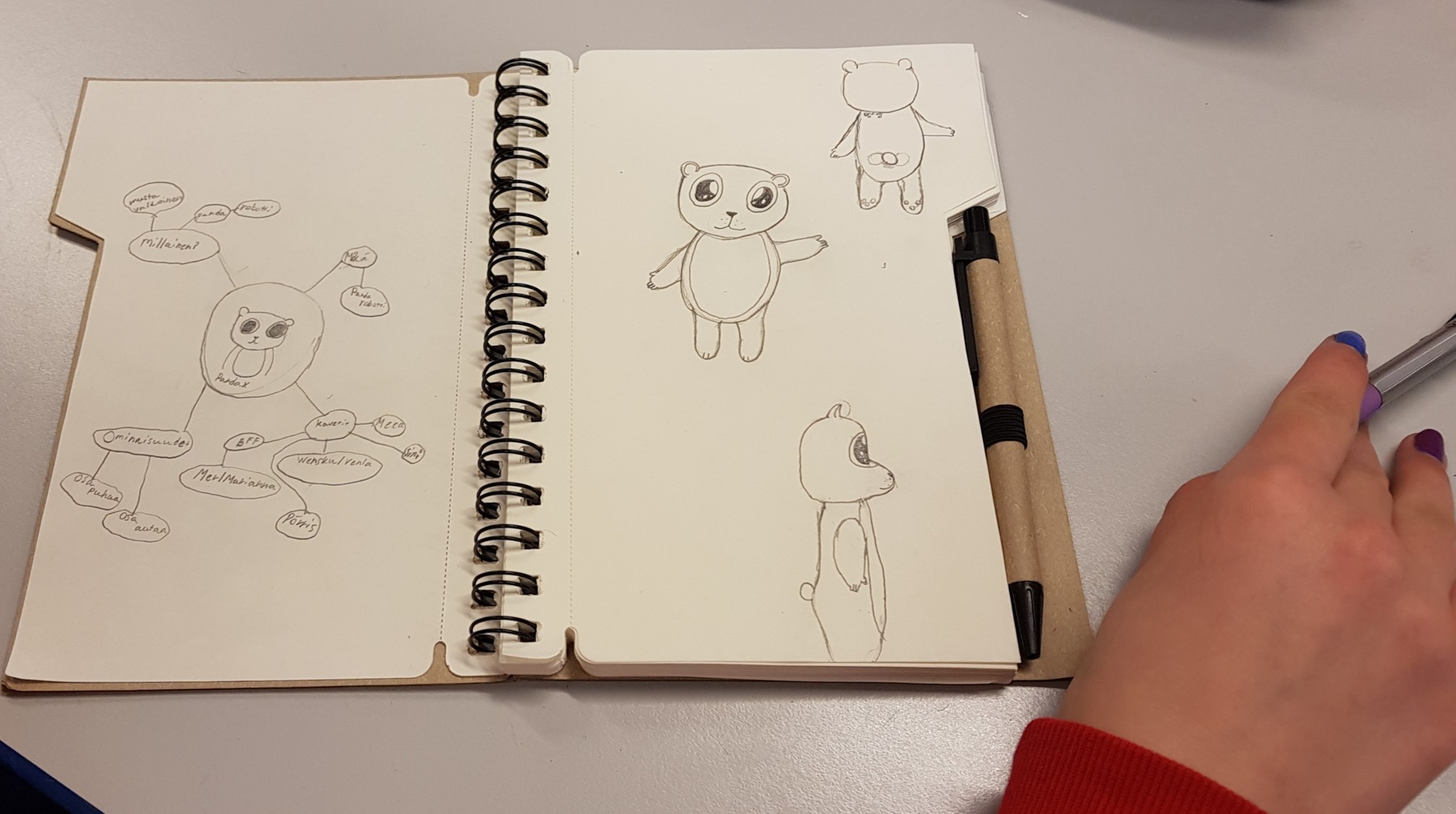
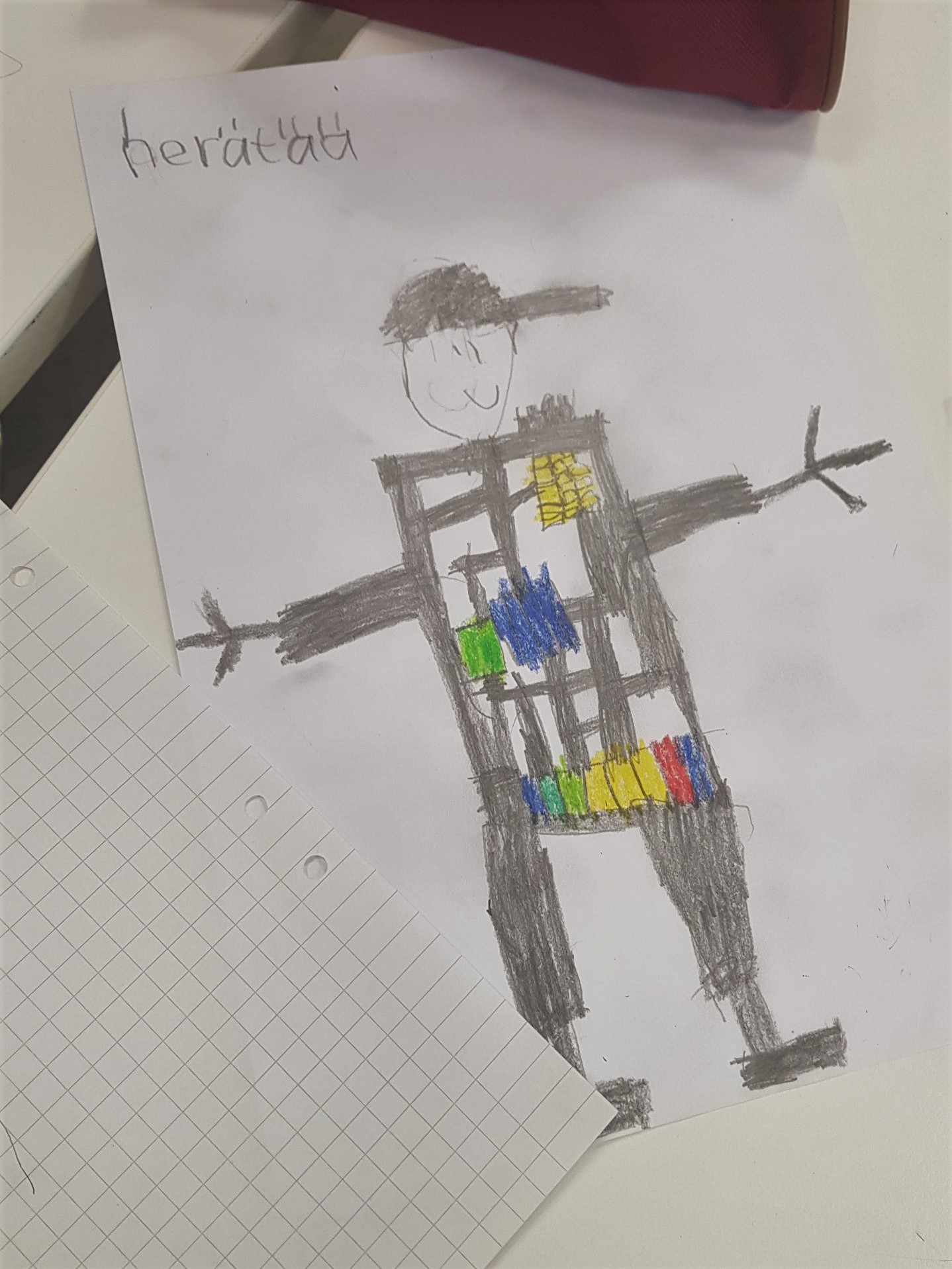
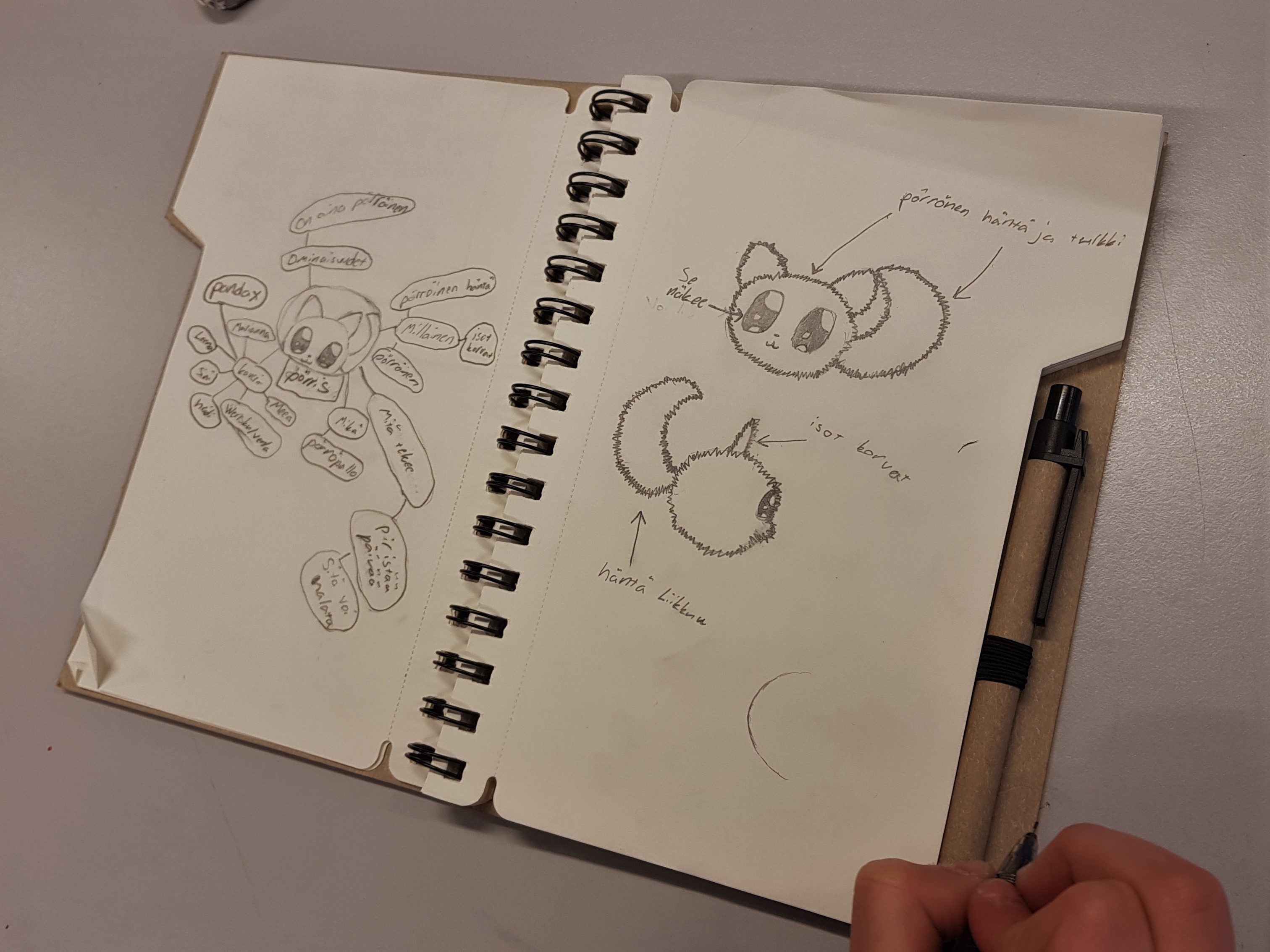
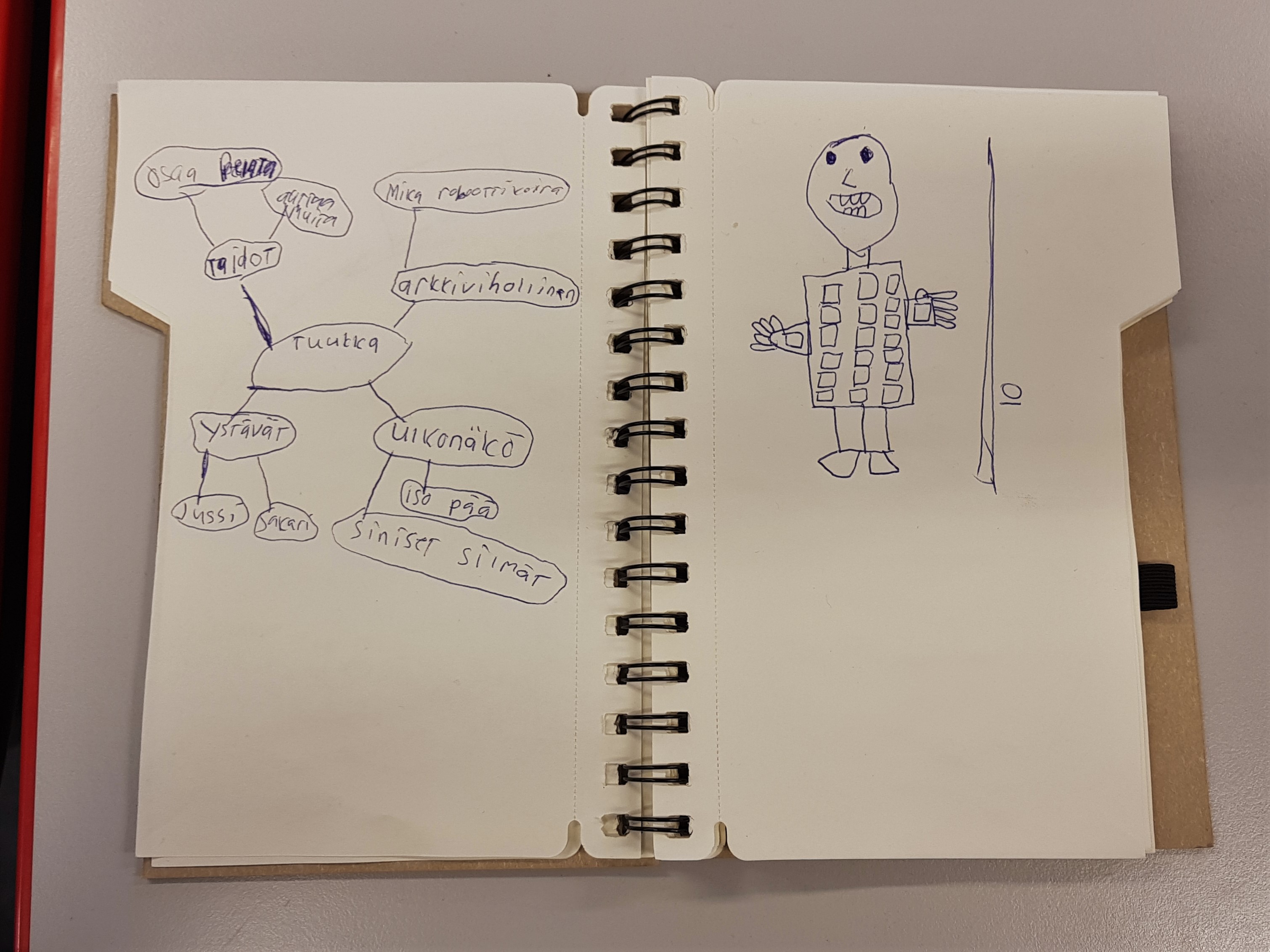
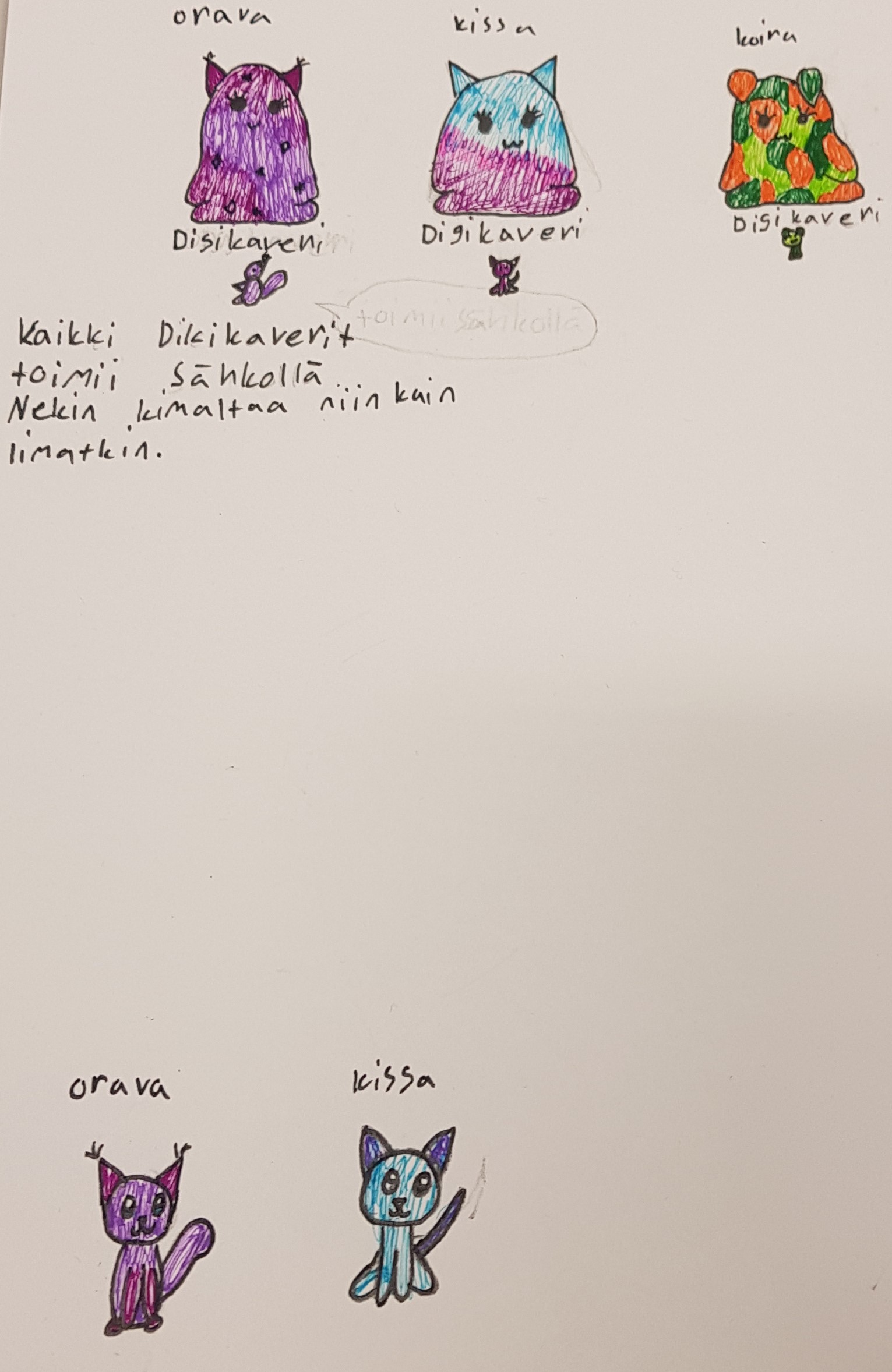
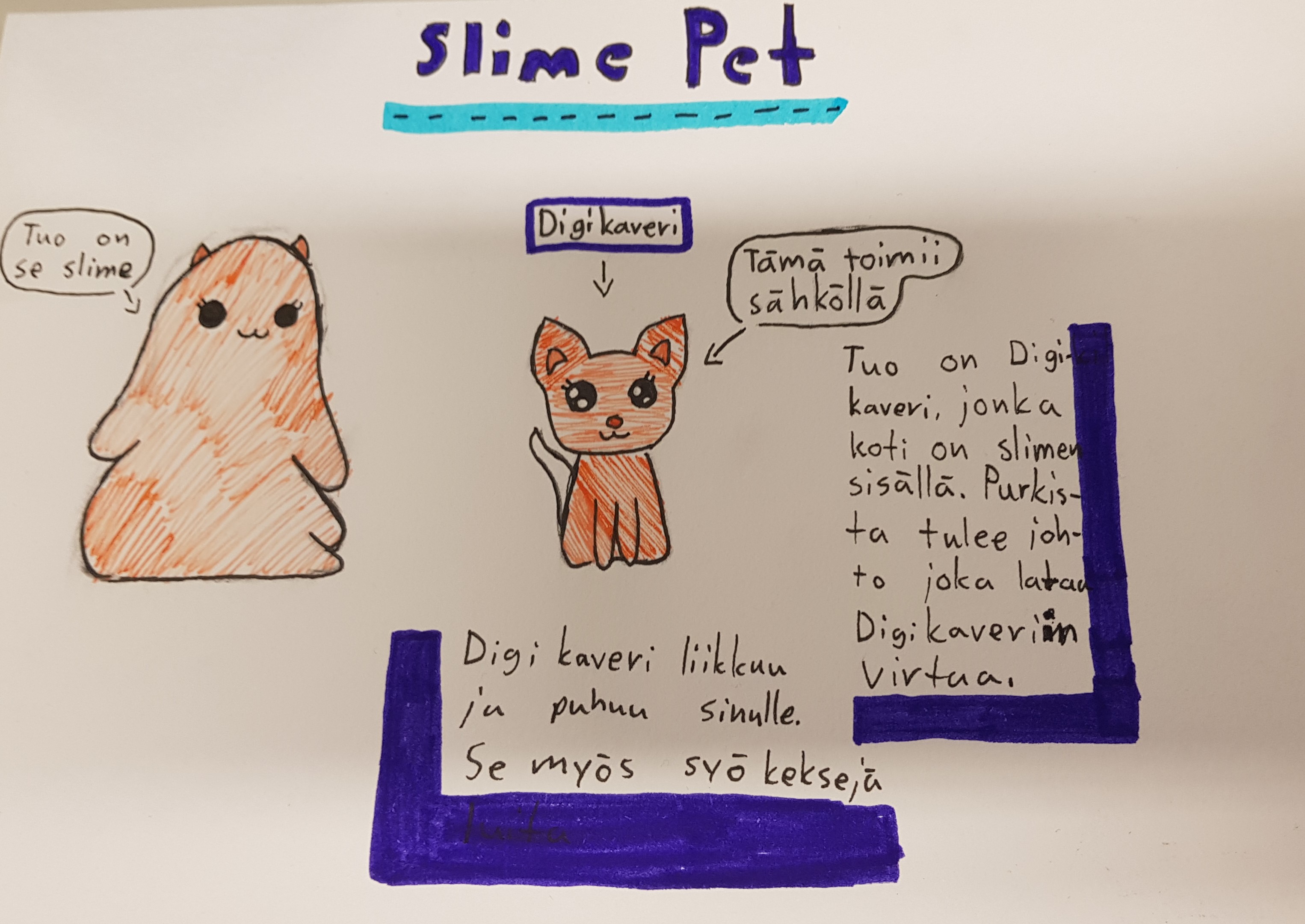
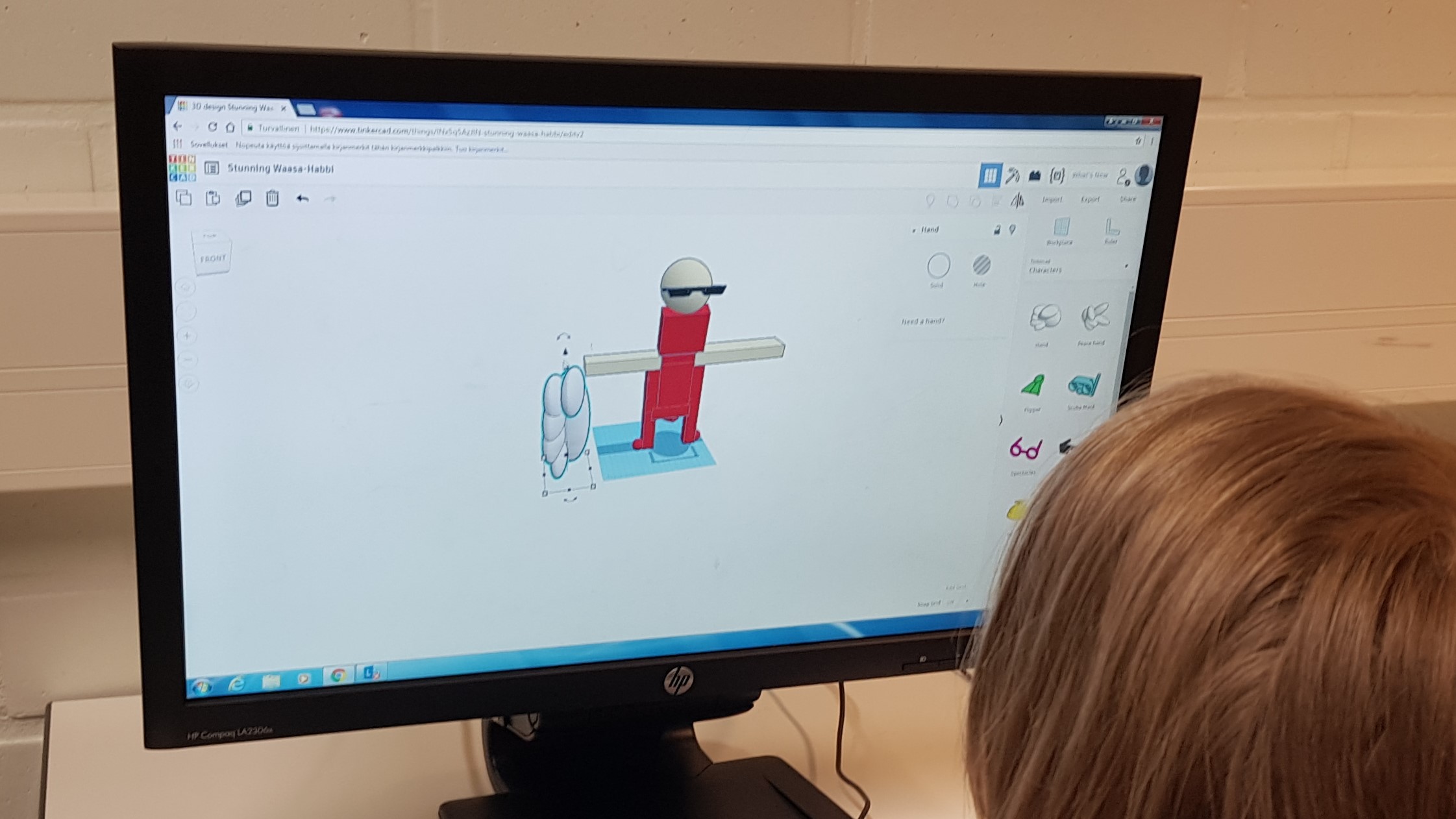
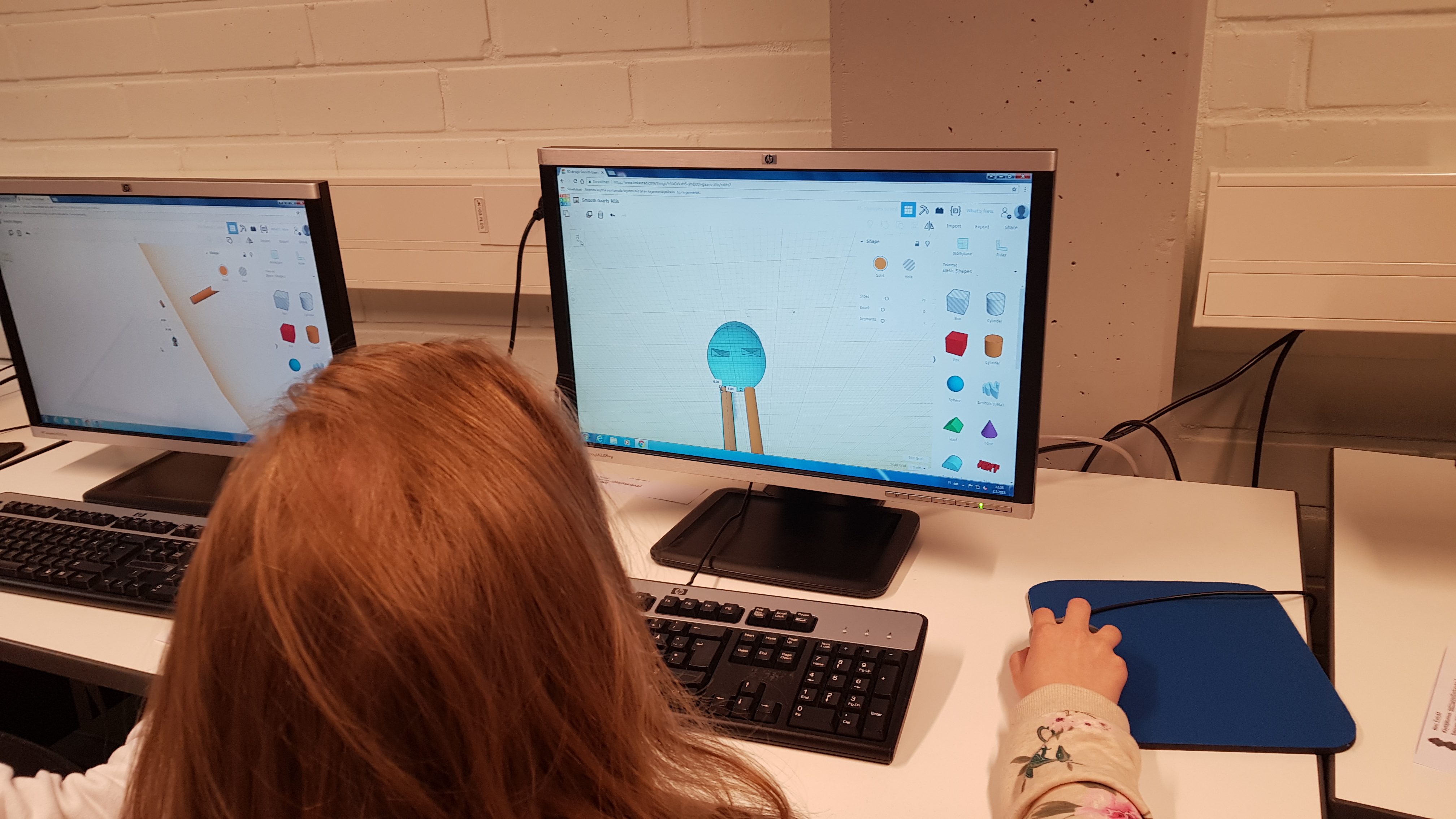
- Elementary school pupils got to know the different stages of digital fabrication in a project where the goal was to design a digital friend for everyone. To accomplish this the pupils engaged in 1) field work through observation, interviews or an idea box, to map out what kind of a digital friend would be useful 2) drawing a concept picture of the digital friend and writing a scenario about a typical day with it 3) modelling the digital friend, first with modelling clay, and then with TinkerCad 3D programming environment 4) programming a story about the digital friend with Scratch.
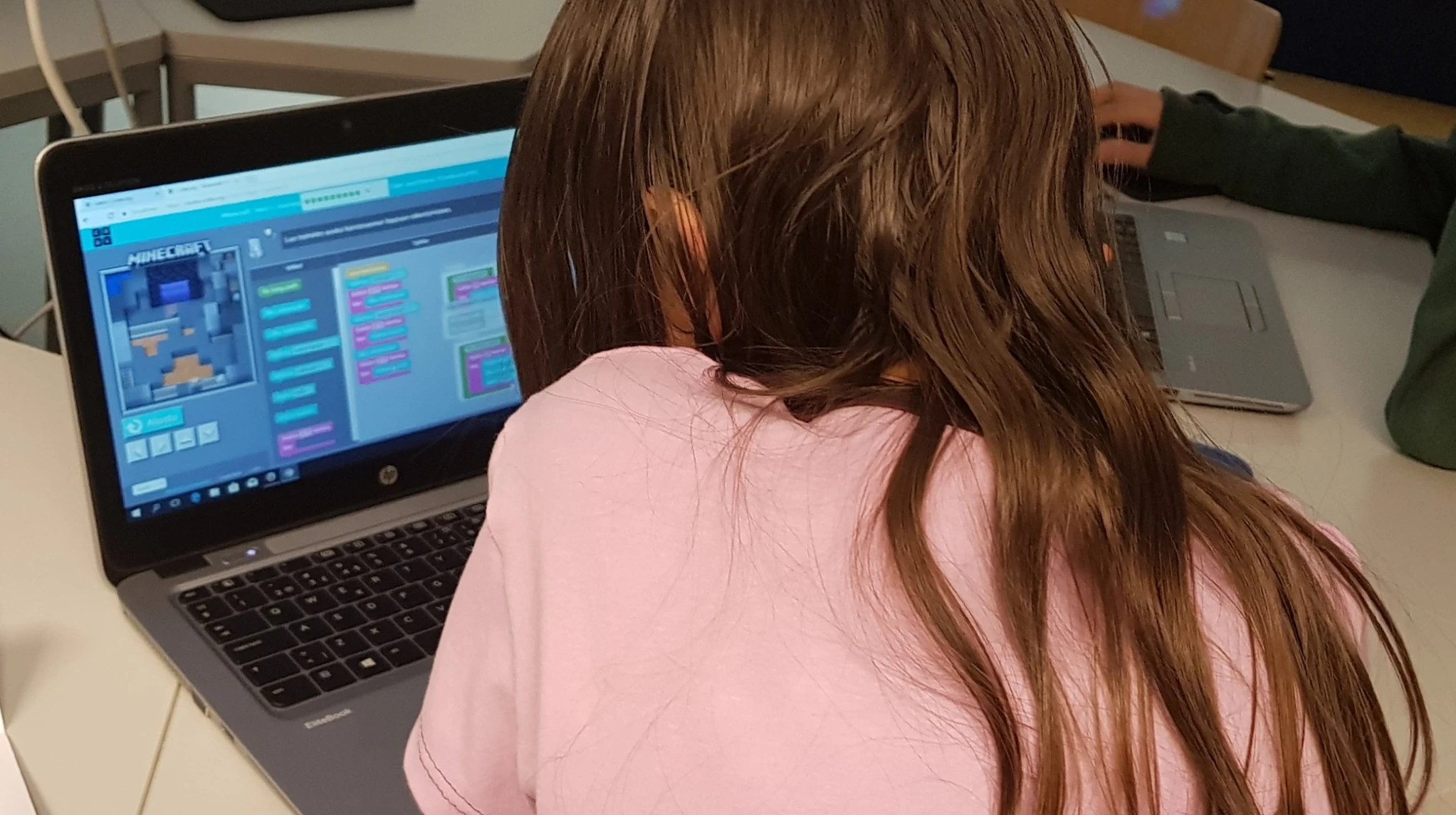
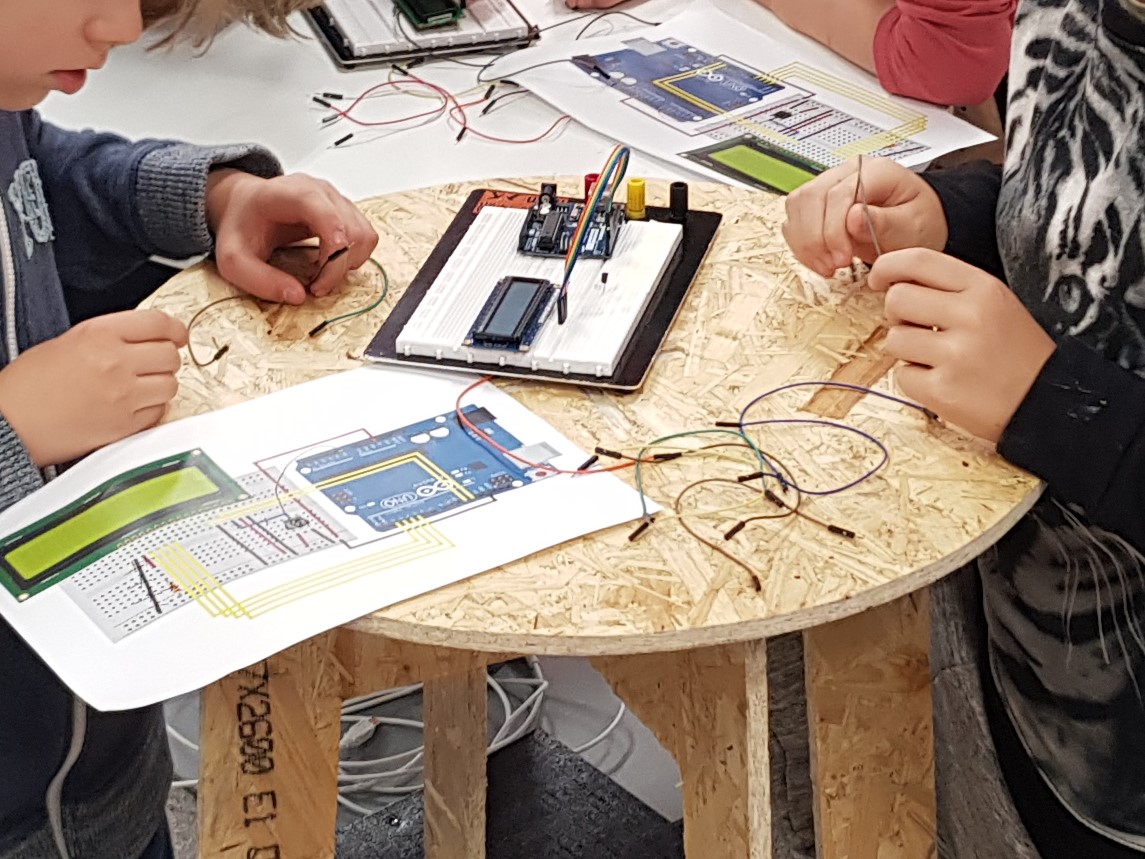
- Middle school pupils got to know the different stages of digital fabrication in a project where it was added as part of a multidisciplinary learning package related to entrepreneurship. The pupils were divided into small groups that engaged in 1) thinking about how to make the world a better place through business, and writing a business plan, 2) background research, e.g. by interviewing or observing potential customers or mapping out competitors, 3) drawing concept pictures of their products and writing use cases of their products 4) learning the basics of 2D and 3D modelling programs and incorporating digital fabrication when prototyping their product, and 5) pitching the product ideas to fictional investors in a shark tank event.
During the project, I worked on e.g. preparing the workshop materials and prepping the teachers before sessions, planning and executing data collection, analysing data, and writing scientific publications. I took the lead in preparing and leading the sessions where the purpose was to teach the pupils digital fabrication skills, and helping them to transform their ideas into tangible products. I also arranged the project ending seminar in connection with FabLearn Europe 2018 conference, with invited speakers from local schools, from the FabLab@SCHOOLdk community in Denmark, as well as from STEAMinOULU community here in Oulu.













Publications and digital footprints
- Hartikainen, H., Ventä-Olkkonen, L., Kinnula, M., Iivari, N. 2023. ”We were proud of our idea”: How teens and teachers gained value in an entrepreneurship and making project, International Journal of Child-Computer Interaction. Volume 35, 2023, 100552, ISSN 2212-8689, https://doi.org/10.1016/j.ijcci.2022.100552.
- Ventä-Olkkonen, L., Hartikainen, H., Kinnula, M. & Iivari, N. (2022): Creating a shared understanding with children of the process in long-term digital technology design projects. In S. Kotilainen (Ed.), Methods in practice: Studying children and youth online (chapter 9). Hamburg: Leibniz-Institut für Medienforschung | Hans-Bredow-Institut (HBI); CO:RE – Children Online: Research and Evidence. https://doi.org/10.21241/ssoar.83031
- Hartikainen, H., Ventä-Olkkonen, L., Kinnula, M., Iivari, N. (2021). Entrepreneurship Education Meets FabLab: Lessons Learned with Teenagers. In FabLearn Europe / MakeEd 2021. June 2-3, 2021. ACM, New York. https://doi.org/10.1145/3466725.3466727
- Ventä-Olkkonen, L. Kinnula, M, Hartikainen, H. and Iivari, N. (2020). Embedded assumptions in design and Making projects with children. In proceedings of 32nd Australian Conference on Human-Computer Interaction (HCI). Dec 2, 2020 – Dec 4,2020. https://doi.org/10.1145/3441000.3441077 (Best paper award)
- Ventä-Olkkonen L., Hartikainen H., Norouzi B., Iivari N., Kinnula M. (2019) A Literature Review of the Practice of Educating Children About Technology Making. In: Lamas D., Loizides F., Nacke L., Petrie H., Winckler M., Zaphiris P. (eds) Human-Computer Interaction – INTERACT 2019. INTERACT 2019. Lecture Notes in Computer Science, vol 11746. Springer, Cham. https://doi.org/10.1007/978-3-030-29381-9_27.
- Uurtio, Hanna-Kaisa. 2019. Collaborative Learning and Knowledge Building in a Small Group during an Interdisciplinary Learning Module – Qualitative Case Study. [Master thesis, supervisor]
- Hartikainen, H. 2018. Projektin esittely [mp4 video]
- 2018. STEAM and Making in Oulu: Experiences from research and education. [Organizer in a seminar]
- University of Oulu. 2017. Nuoria osallistetaan tietotekniikan suunnitteluun tutkimuksella. [Press release]
 Heidi Hartikainen