
In 2018, I participated in Fab Academy, a five-month intensive program designed to teach digital fabrication skills. Originating from MIT’s “How to Make (Almost) Anything” course, Fab Academy follows a distributed education model, where students learn in local Fab Labs while connecting globally through interactive sessions. The curriculum covers a broad range of topics, including 2D and 3D design, electronics production, embedded programming, and digital fabrication techniques. (Academany)
After finishing my PhD I wanted to deepen my understanding of making and digital fabrication, especially because I was interested in how children and young people could be involved in technology making and design processes. FabAcademy felt like the perfect opportunity to learn what is actually possible in a Fab Lab, so that I could better support young participants in imagining and building things themselves.
During the weekly assignments I got familiar with many different topics, including 2D design and laser and vinyl cutting, 3D design and printing, electronics design and production, molding and casting, CNC machining and interface programming. Bit by bit, I built up a set of skills that allowed me to create small prototypes and experiment with materials, designs and electronics. These skills have since been very useful in my research projects where making and hands-on prototyping play a role.
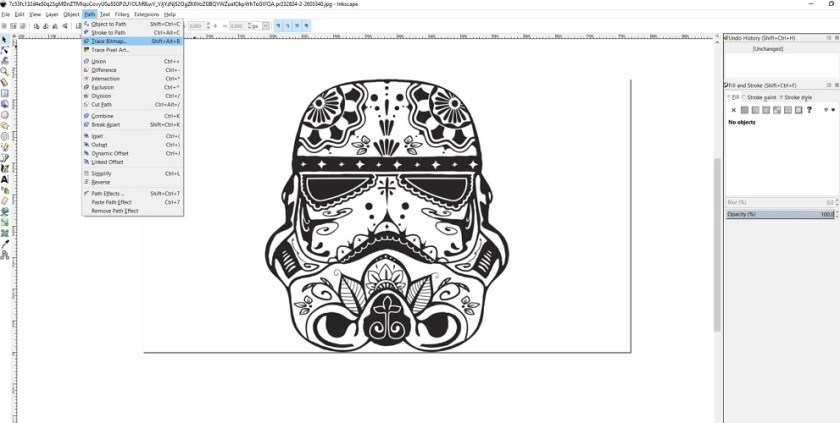
2D design in Inkscape 
Giving instructions to the vinyl cutter 
The first attempts did not work out too well 
My first cleaned vinyl sticker 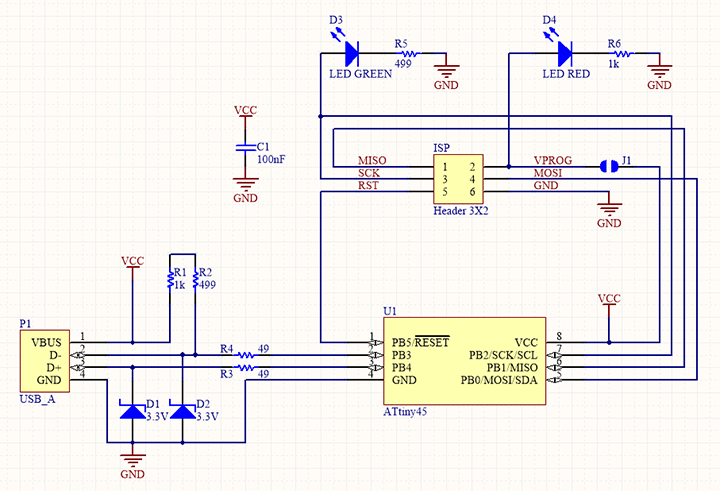
Electronics production 
Electronics production 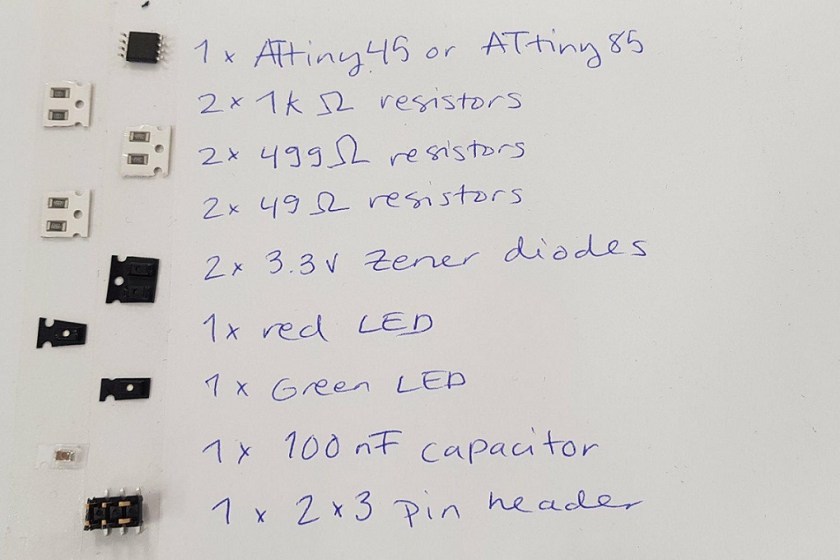
Electronics production 
Electronics production 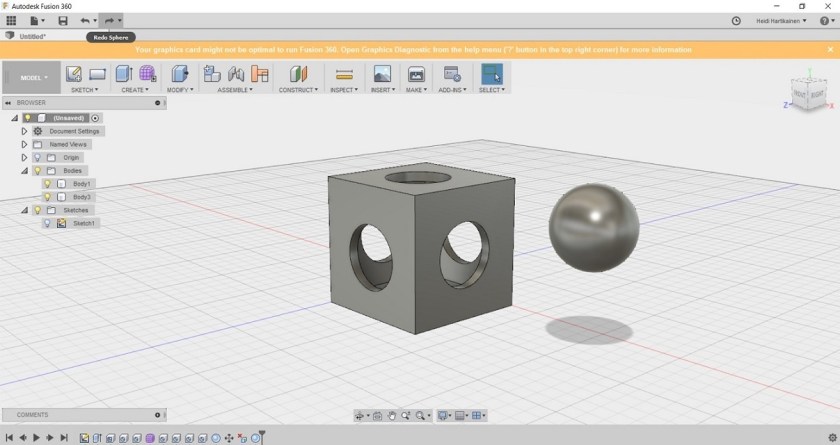
First 3D designs 
Printing out 
Cleaning 
And the snazzy results 
Electronics design – My hello world board 
Milling the board 
Before soldering 
Part list 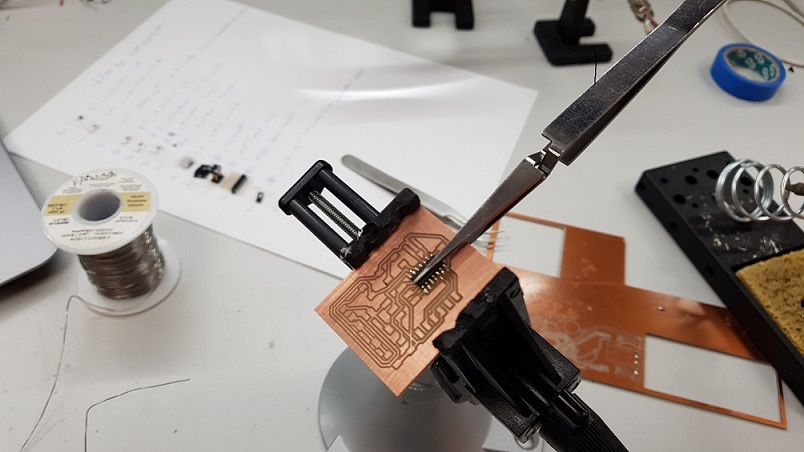
Soldering 
The finished thang 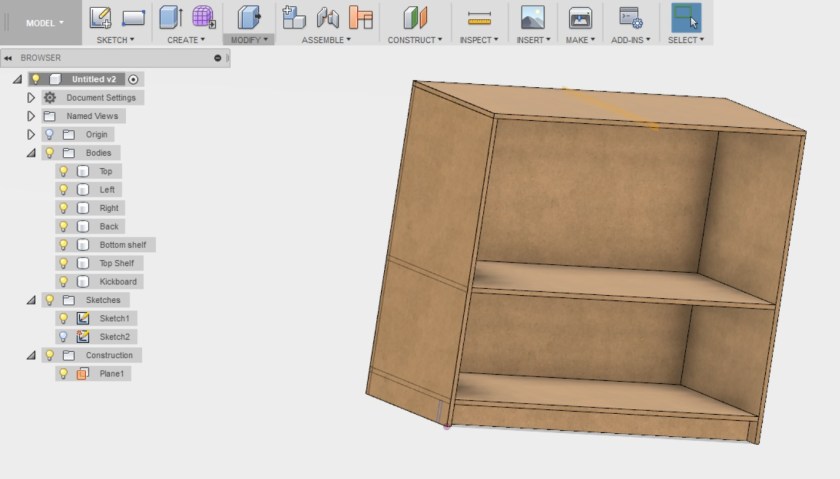
Makign something big! 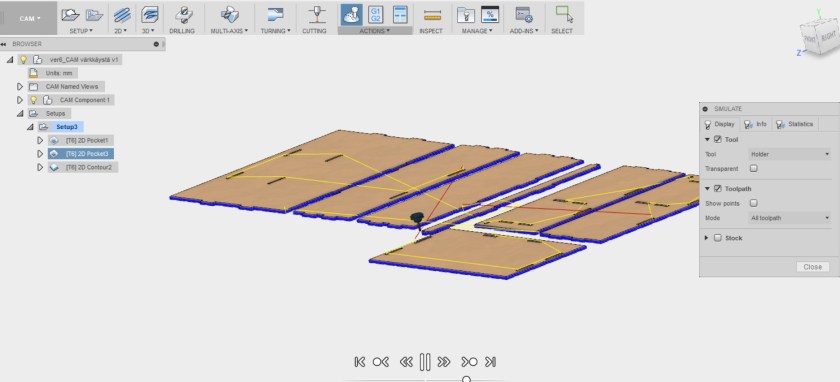
Simulating cuttng 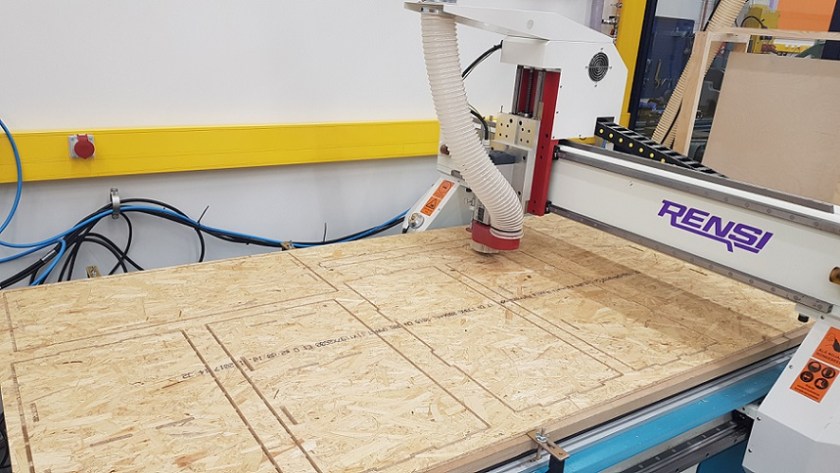
Cutting with the CNC machine 
Finished product! 
Embedded programming. Made the button blink. Impressive 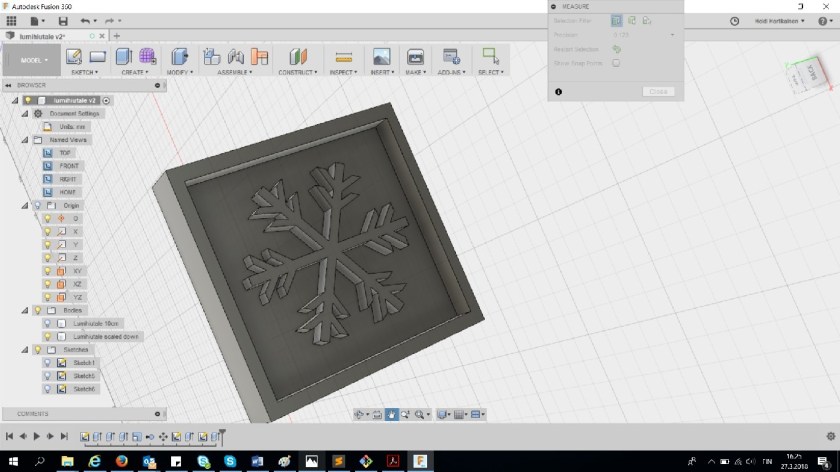
Molding and casting 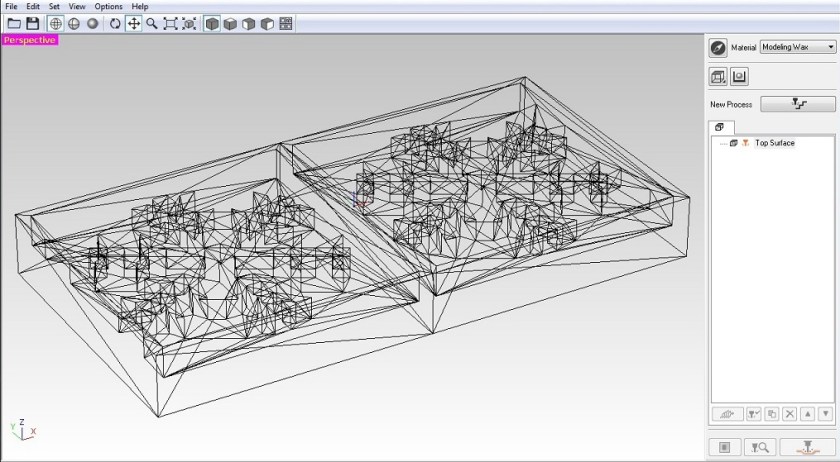

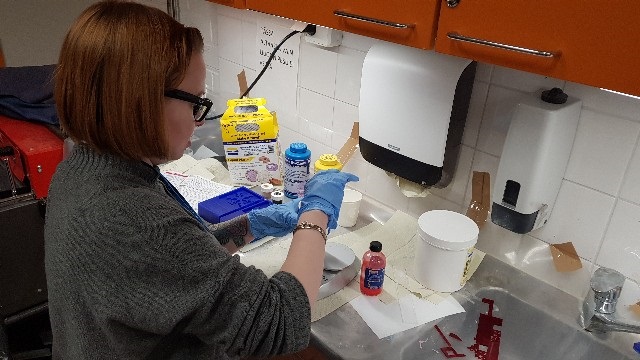
Making goo 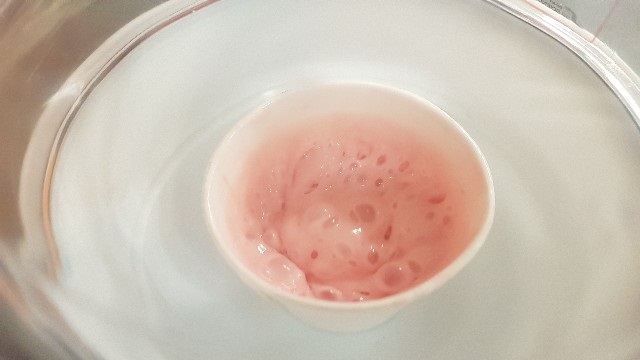
Goo 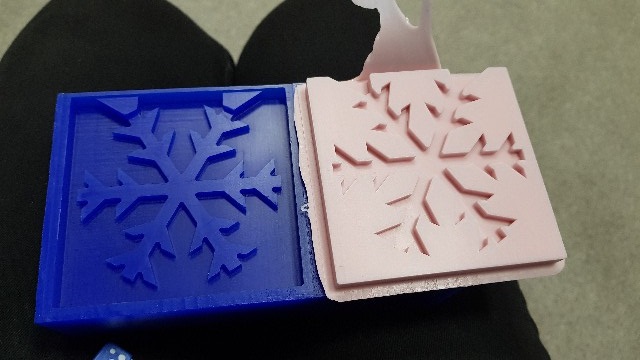
creating the mold 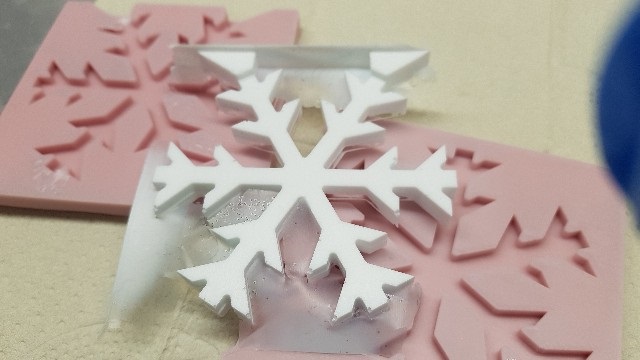
Success 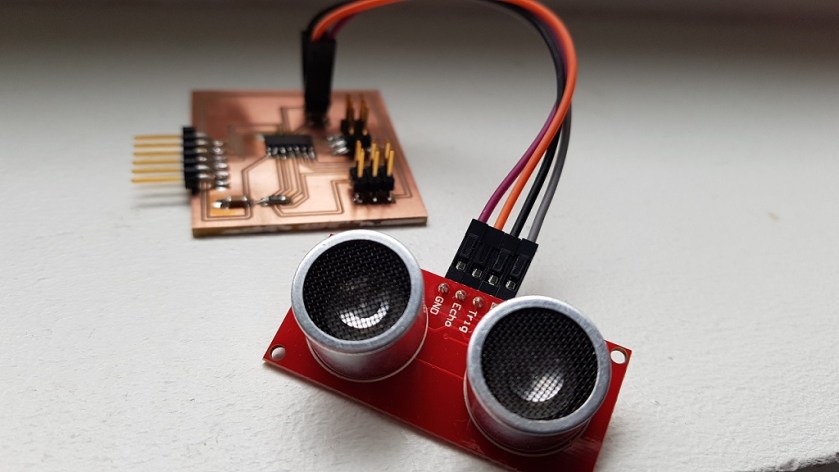
Input devices – Sonar 
Input devices 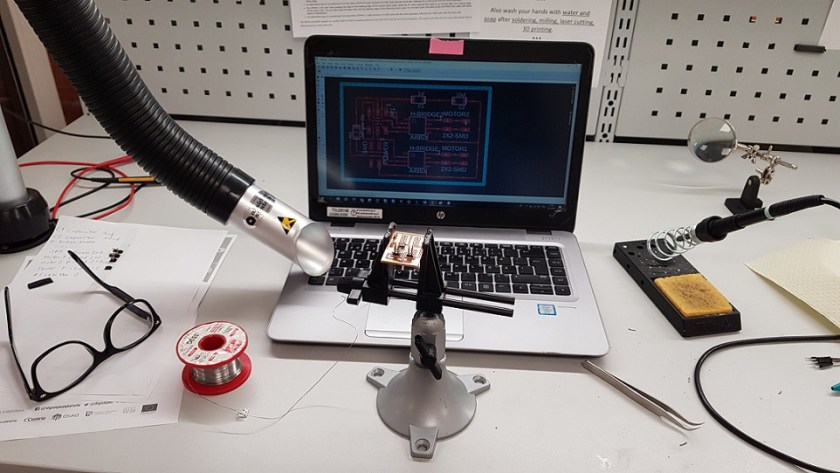
Output devices 
Output devices –> Motor 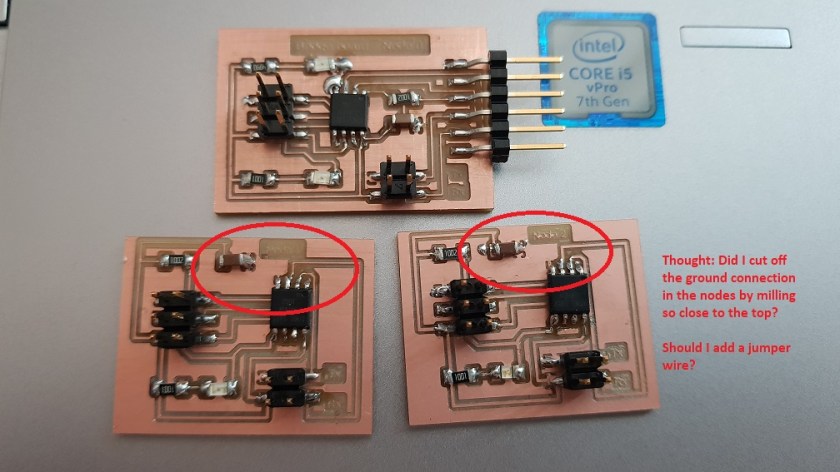
Networking – Serial bus 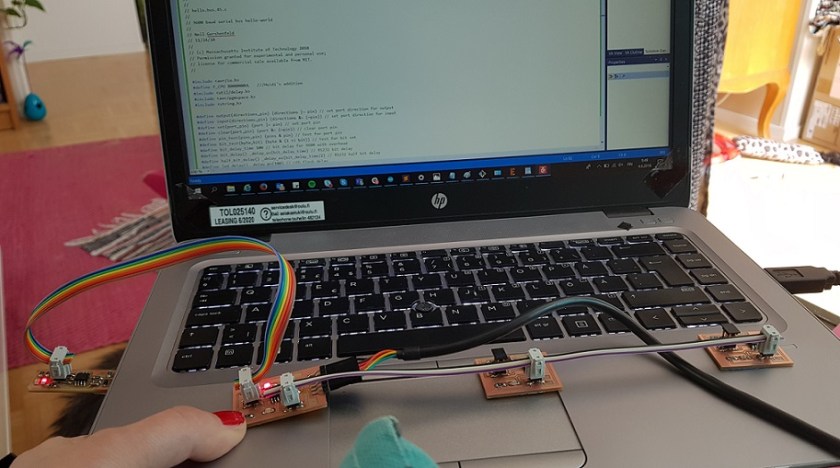
Serial bus 
Machine design 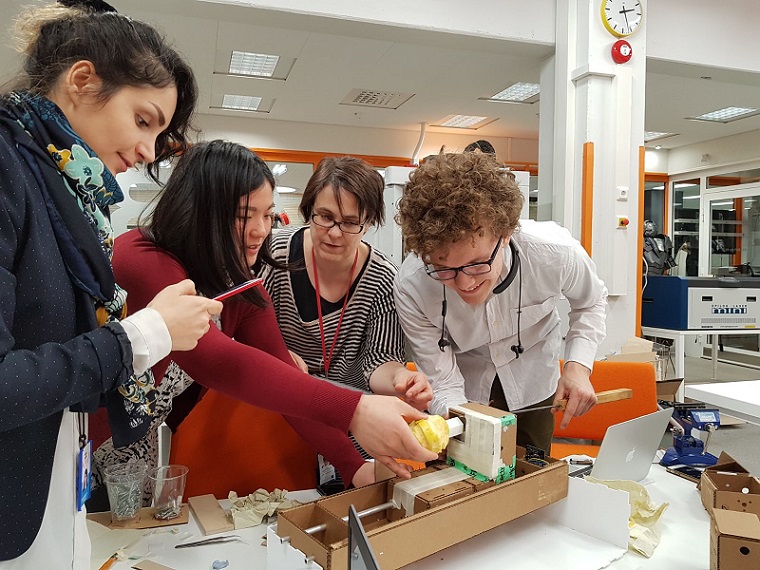
Machine design 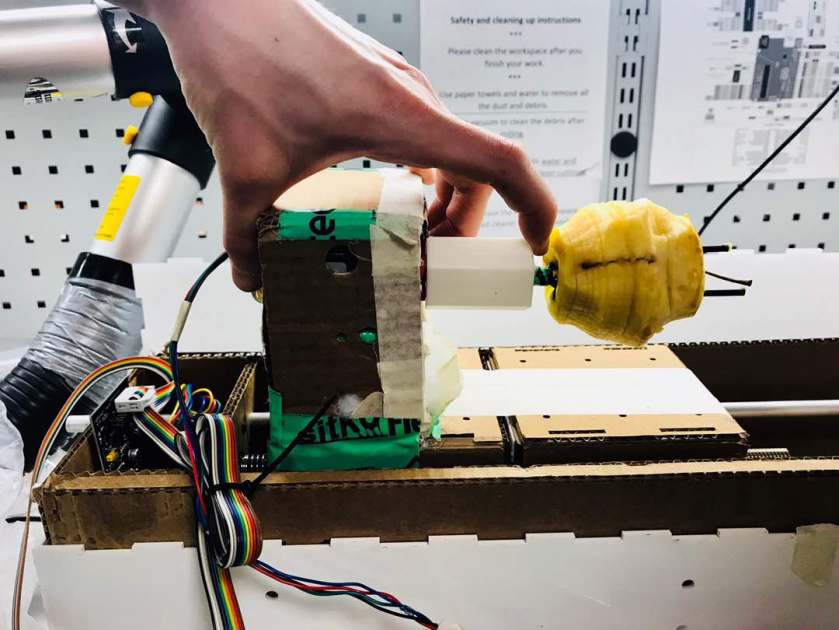
FabPeel – The worst apple peeler ever
All things Papert
While working through FabAcademy, I also found myself returning to Seymour Papert and the idea of constructionism, which has been important to me for a long time. Papert’s thinking about learning through making and creating meaningful artifacts became much more concrete when I was actually building things myself every week. I began to see even more clearly how powerful it can be for children and young people to design, prototype and work with their own hands. Making gives them a chance to understand technology from the inside, to test ideas and to express what matters to them.
FabAcademy strengthened my belief that constructionist approaches are extremely valuable when working with youth. When young people get to explore and create, they often develop a stronger sense of agency and a clearer understanding of how technologies around them function. This perspective continues to guide my work, and I draw on these ideas whenever I plan activities or research projects that involve youth participation.
Final project
For my final project, I designed and built an educational tool aimed at helping children engage with technology-making in creative ways. The amazing Turtlebot!
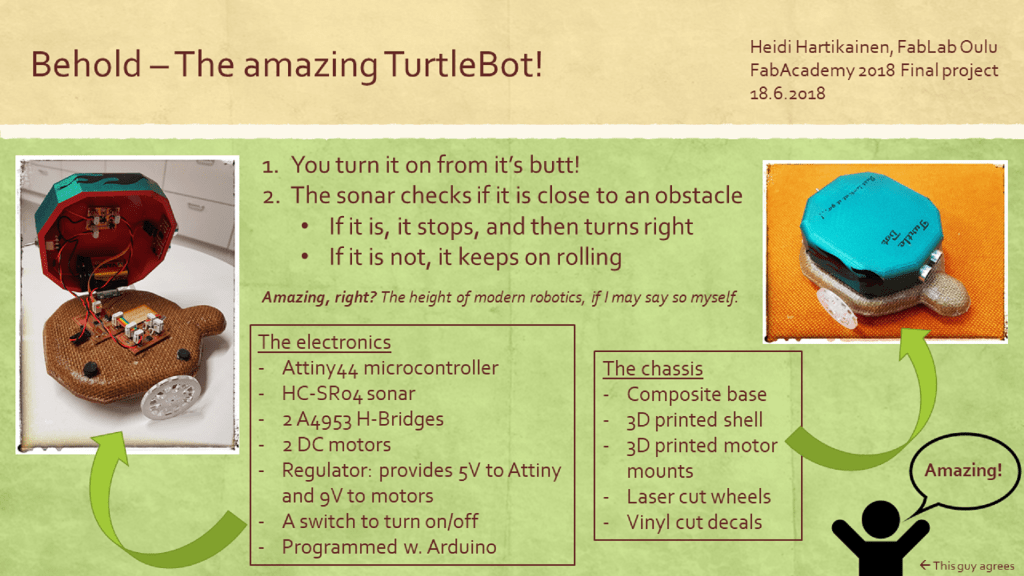
Although the project itself was (ahem) modest, the process taught me a lot about designing and iterating with the tools available in a Fab Lab.
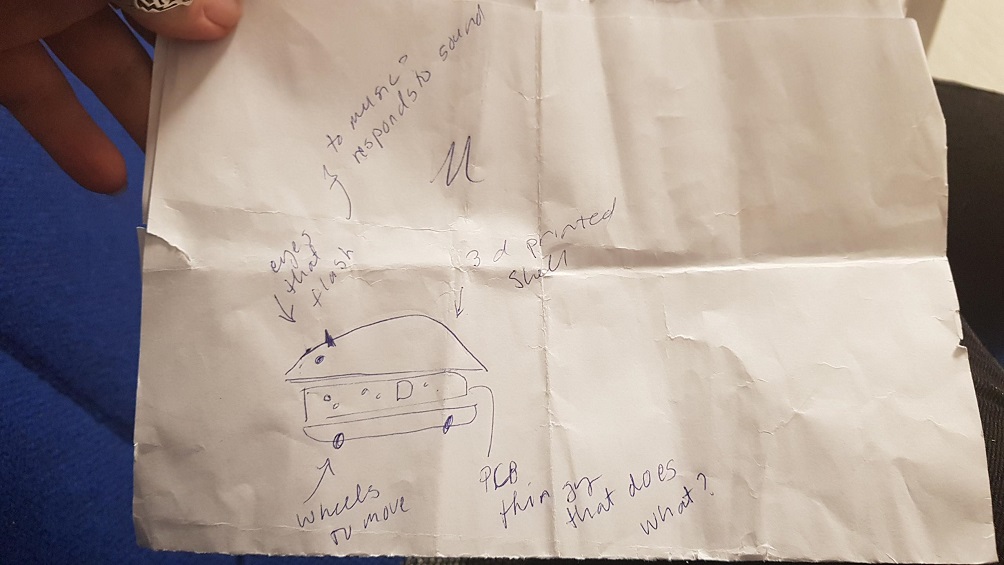

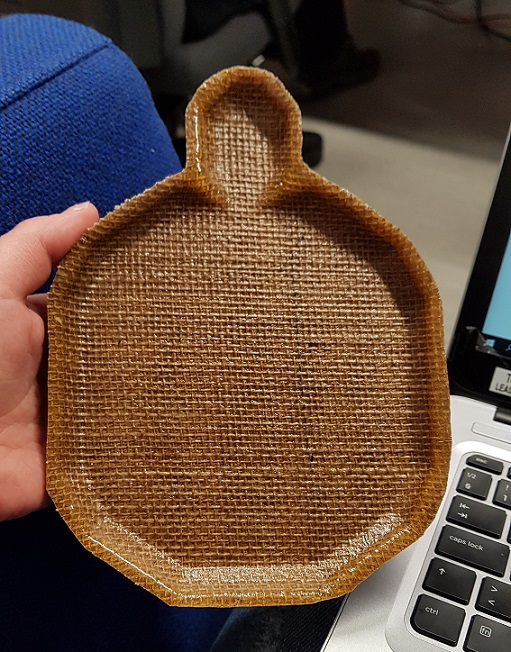


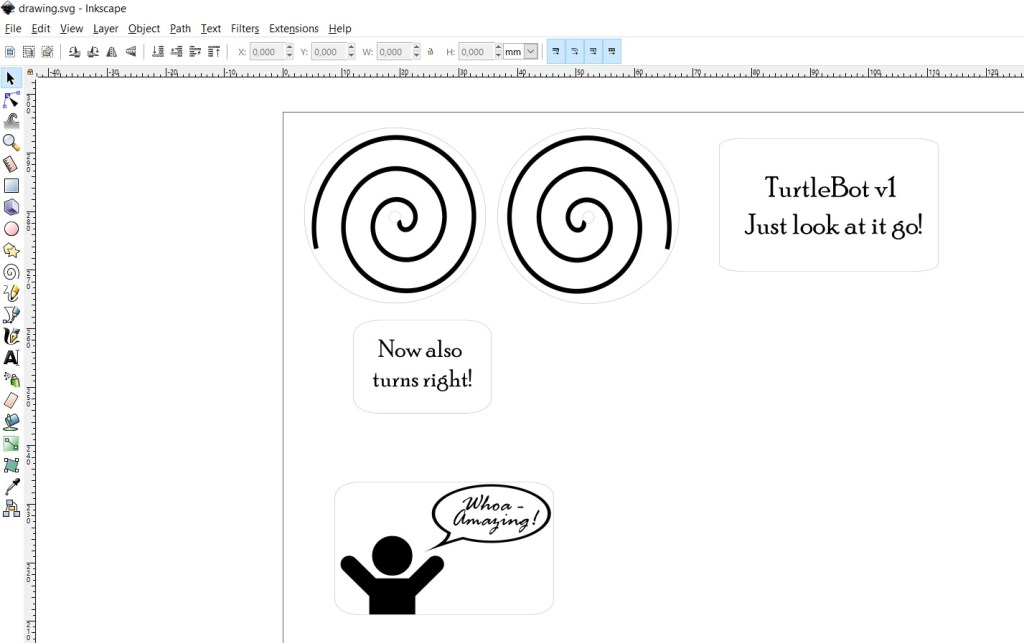


Overall, FabAcademy was an important learning experience for me. It gave me practical skills, a better understanding of what making can offer in research and education, and a renewed appreciation for constructionist ideas. These insights continue to influence my research, especially when I work with youth and look for ways to support their participation, creativity and ownership in technology design.
Look at the turlebot go:
Read more
Check out my FabAcademy portfolio: https://fabacademy.org/2018/labs/fablaboulu/students/heidi-hartikainen/
Read more about my final project: https://fabacademy.org/2018/labs/fablaboulu/students/heidi-hartikainen/finalproject.html
 Heidi Hartikainen