
The Academy of Finland funded FutuProta project (PI Marianne Kinnula) examines ‘technology protagonism’, i.e., how the future citizens, as private persons, employees, entrepreneurs, or policymakers – and also as technology developers – would be able to act as technology protagonists who have the ability to question digital technology use and demand for socially sustainable technological solutions that augment humans and societies, and even design such technologies themselves. Data is collected with children, teens, and young adults who all go through the process that includes both individual and group work, and invite them to think critically about our past, present and future with technology. Data collection methods are qualitative and include for example observation, interviews, design and making workshops.
I work as a researcher in the FutuProta project. My duties include e.g. tasks relating to preparing the workshop materials, planning and executing data collection, analyzing data, and writing scientific publications. An example workshop series with master students where based on structure discussed with the working group I took the lead in designing the activities is as follows: 1) The students start by looking into their own past as a technology user, mapping out the pivotal moments in our lives related to technology, 2) They shift the focus to think about the present, first thinking about the technologies that are now important to them, noting e.g. related practices, places, materials, and emotions and carrying out a stakeholder analysis concerning that technology. 3) Next they move the focus from the present to the future, and start to think about how one technology that is timely or important to them could be developed to be more socially sustainable. They will for example create concept pictures, scenarios and cartoons, perhaps using generative AI. 4) At the end, they reflect critically. They think about how one’s own history affects how we approach technology design – what values and assumptions we carry with us, and how they manifest in our designs, and the kind of opportunities/threats we sees in our technological future.
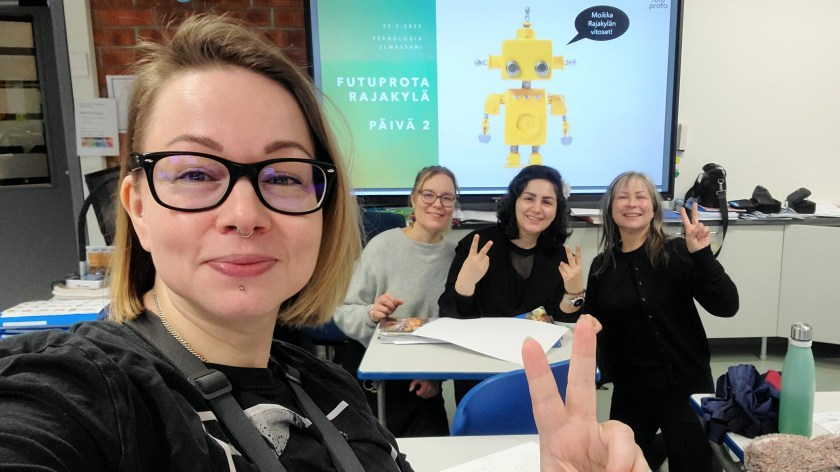
Happy Futuprota research crew! 
Thinking about our histories as technology users – What are the pivotal moments, both the good and the bad? 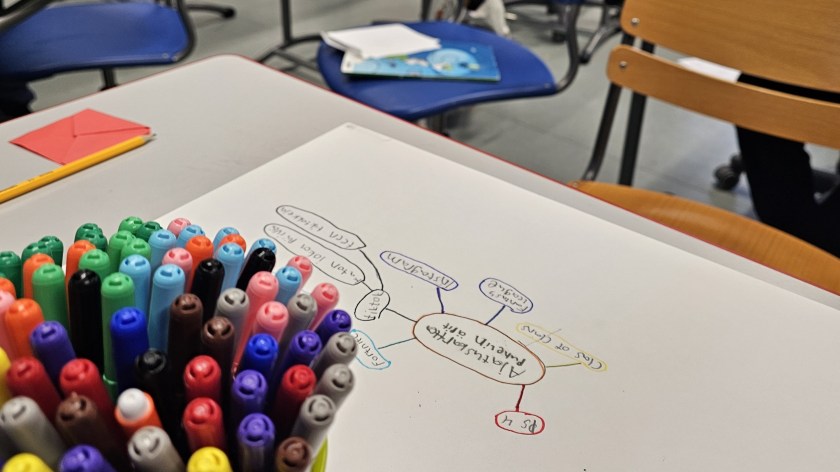
Mapping out the technologies that are important to us know, and thinking about why that is 
Discussing problems the students identified in technology that is important to them – For example related to content, contact with other users, information security, or own use 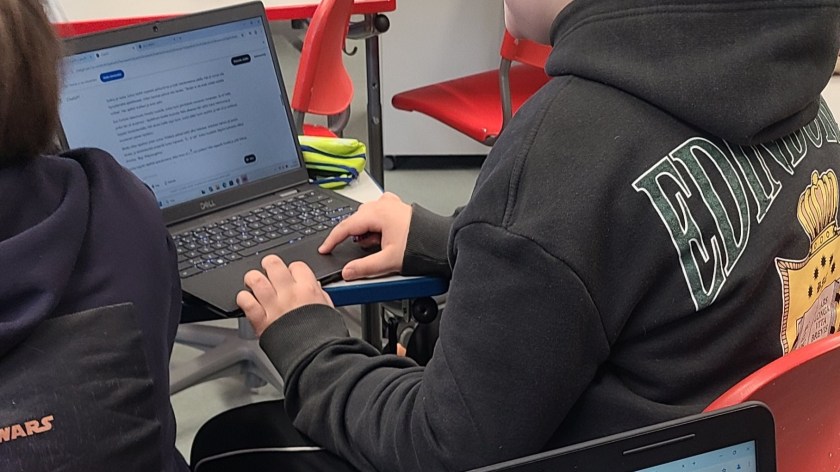
Writing design fiction – what would our technological future be like, where those problems didn’t exist? 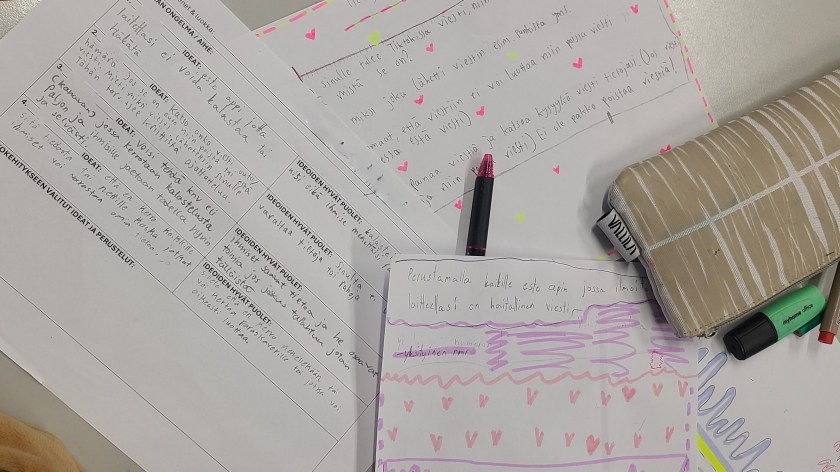
Ideating new technologies to solve the problems identified 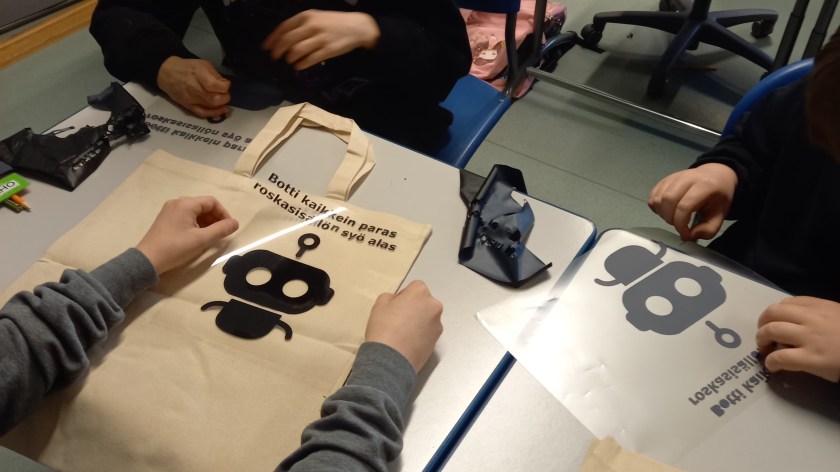
Creating logos and slogans for new technology designs 
Marianne wrapping the process up at the uni – Why did it matter? 
What would your technology hero be like?
 Heidi Hartikainen