
As children step into the digital world earlier than ever, their interactions with social media, games, and mobile devices are increasingly shaping their daily lives. While technology brings immense opportunities for learning and connection, the challenge of keeping children safe online is more pressing than ever.
In my PhD thesis, I explored how children aged 10-12 engage with online safety in their daily life, and the supportive roles parents, educators, and communities can play in helping them navigate the online landscape. I used a combination of qualitative and quantitative methods was used to gain an in-depth understanding of children’s online safety:
- Literature Review: I conducted a narrative literature review on children’s online safety, using databases like Google Scholar and Scopus. This review guided the formation of research questions and identified current gaps in the field.
- Discourses Survey: To understand societal perspectives, a “discourses survey” was conducted on Finnish-language web platforms, including news sites, forums, and blogs. A dataset of 338 sources were coded in NVivo, focusing on themes related to online safety, such as industry regulation and parental control strategies
- Teacher Interviews: Semi-structured interviews were held with nine primary school teachers to capture their insights on digital technology use and online safety education in schools. These interviews were coded and analyzed in NVivo, focusing on emerging themes like trust and involvement
- Surveys with Children and Parents: Using validated survey instruments, quantitative data were collected from children and parents to explore perceptions of online safety skills and parental mediation. A sample of 173 children participated, with the survey designed for age appropriateness and administered under teacher supervision. Parents completed a parallel survey, and data were coded into Excel for statistical analysis
- Workshops with Children: Participatory workshops encouraged children to act as informants in designing online safety solutions. Observational notes and children’s input were analyzed to capture their preferences and suggestions. NVivo was used iteratively for thematic coding and refinement
Through these different methods, the study combined multiple perspectives, creating a holistic view of children’s online safety challenges and opportunities for intervention.
Key findings
Children today feel quite adept with online tools, often confident in their ability to stay safe. Yet, while they demonstrate an awareness of basic security practices, there are gaps in their understanding, particularly in areas where online safety risks are subtle or hidden. In my work I found that while kids often rely on peer support for guidance, the role of adults is invaluable, especially in providing balanced, proactive strategies that go beyond mere monitoring.
At home, most parents employ active mediation—having open conversations about internet use and providing support when needed. Technical controls, like monitoring software, are generally less popular and less effective in building trust. Instead, creating an environment of open dialogue where kids feel safe to share their online experiences appears to be key. In schools, teachers also strive to blend guidance with real-life experiences that resonate with students. However, without clear standards for online safety education, teachers often feel isolated in delivering these messages and express a need for additional resources and support.
My study highlights a collaborative approach to online safety, combining guidance from parents, teachers, and peers to reinforce safe online habits. Rather than focusing solely on restrictions, I advocate for a supportive network that values children’s independence and agency. By encouraging kids to share in the development of digital tools, we’re not only equipping them with essential online skills but also empowering them to help shape a safer, more inclusive digital future.
Thesis: Hartikainen, H. 2017. Malice in Wonderland: Children, Online Safety, and the Wonderful World of Web 2.0. Doctoral thesis, Oulu University.
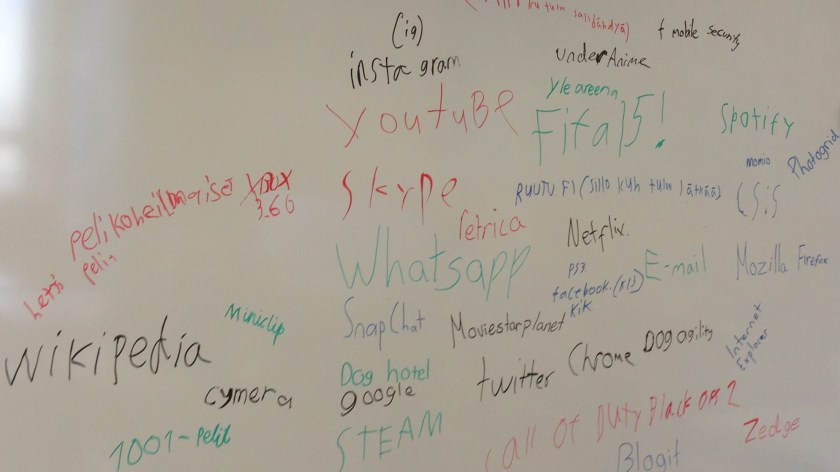
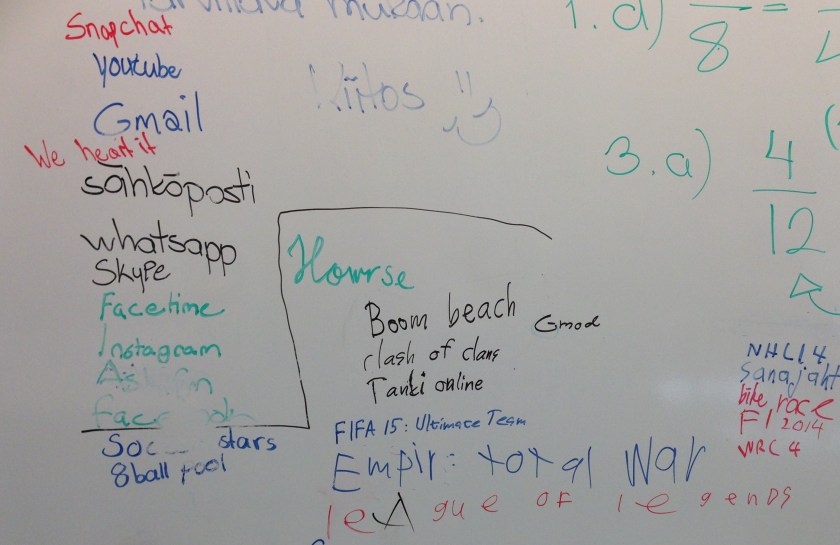
Mapping out technologies important to the children 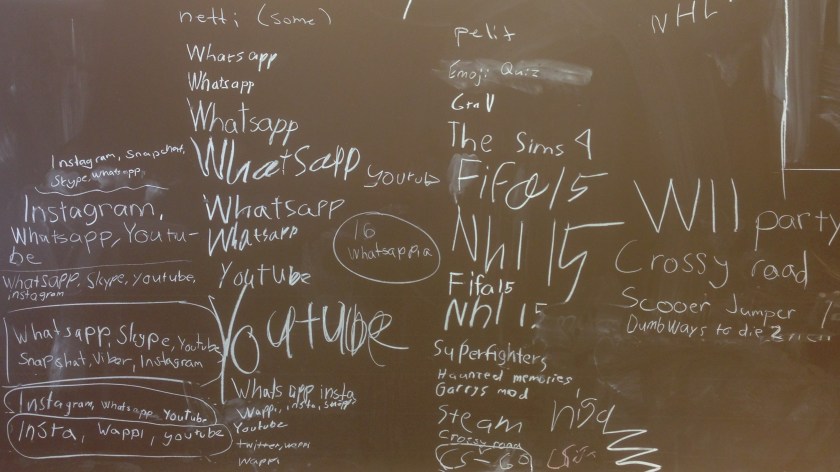
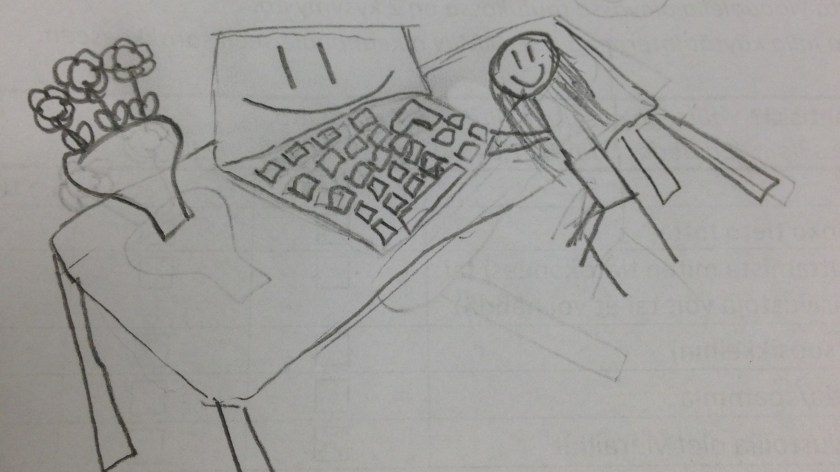
Drawing pictures about engaging online 

And services they like to use 
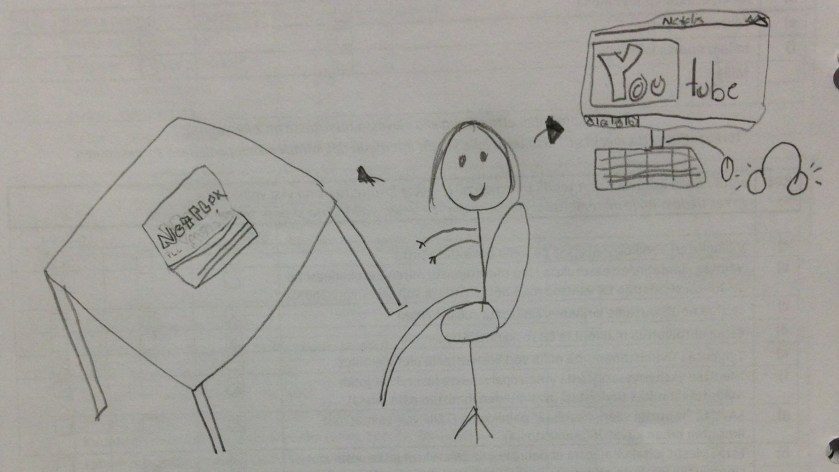
Some images quite happy 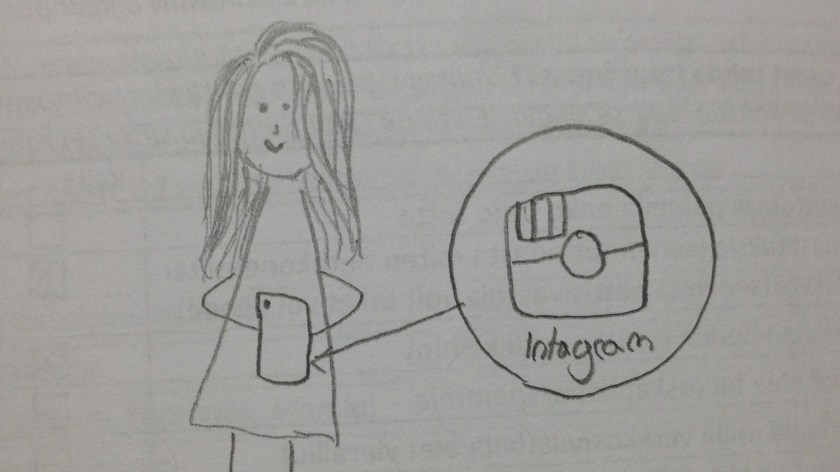

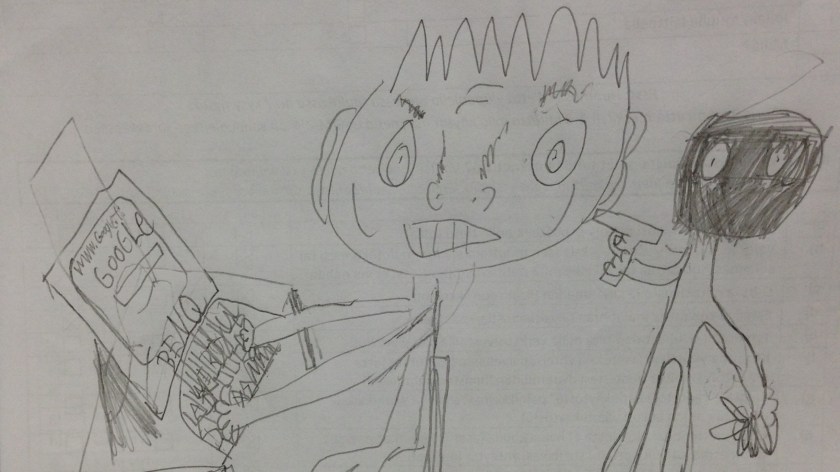
Some a little haunting 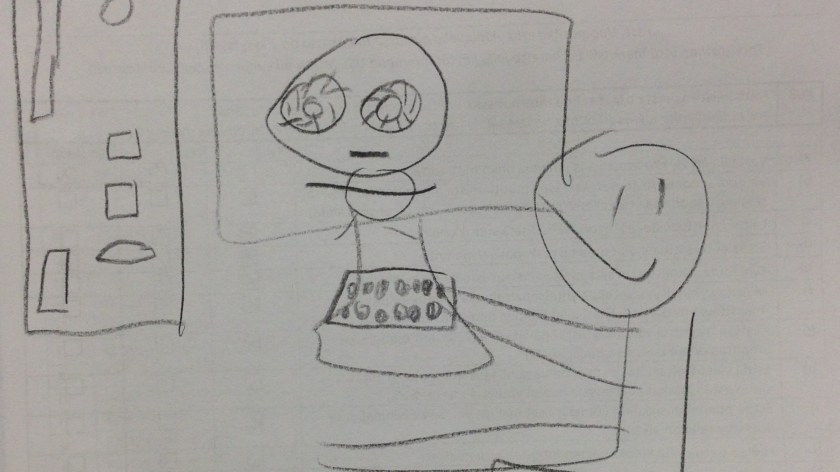


Researching what online safety means, and what you would teach about it to a little sister or brother 
And preparing mindmaps 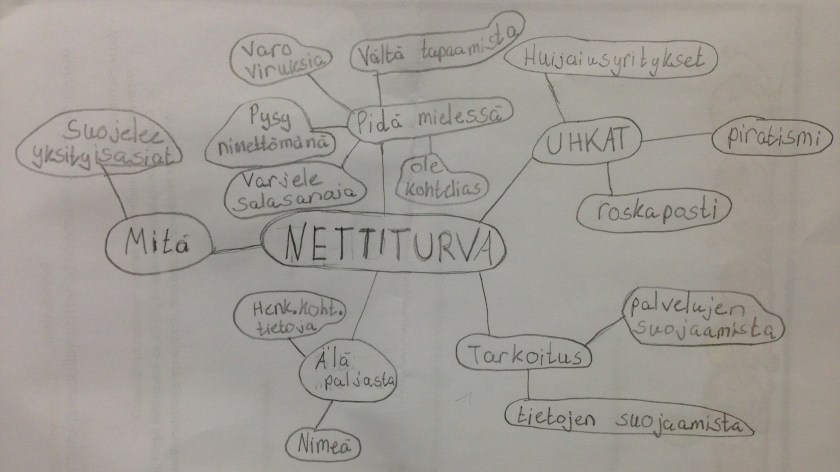
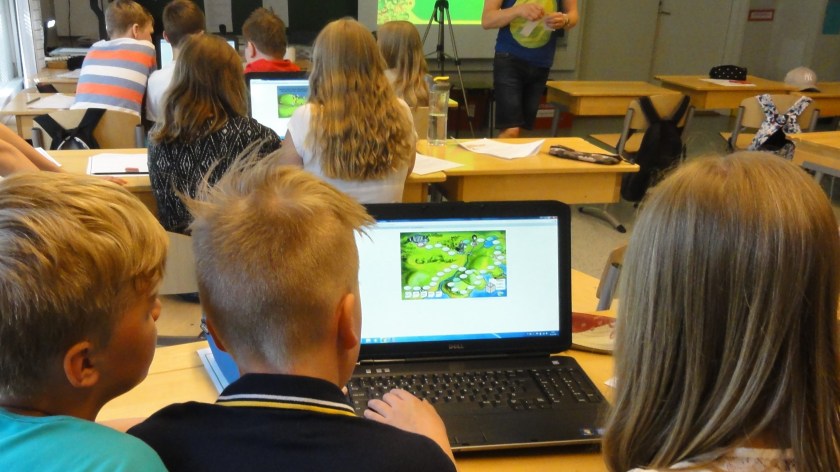
Testing different online safety solutions 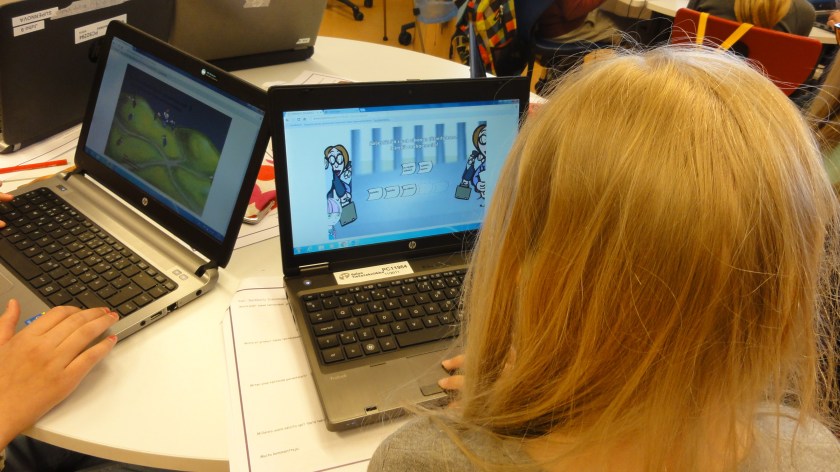


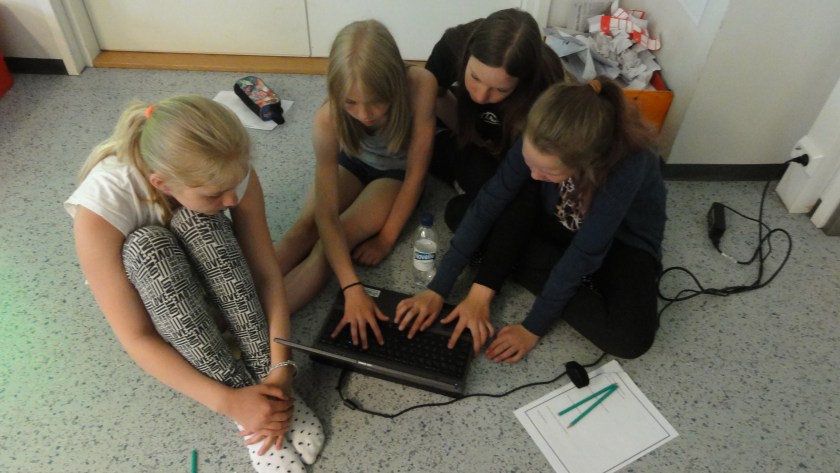
And thinking about how they could be improved 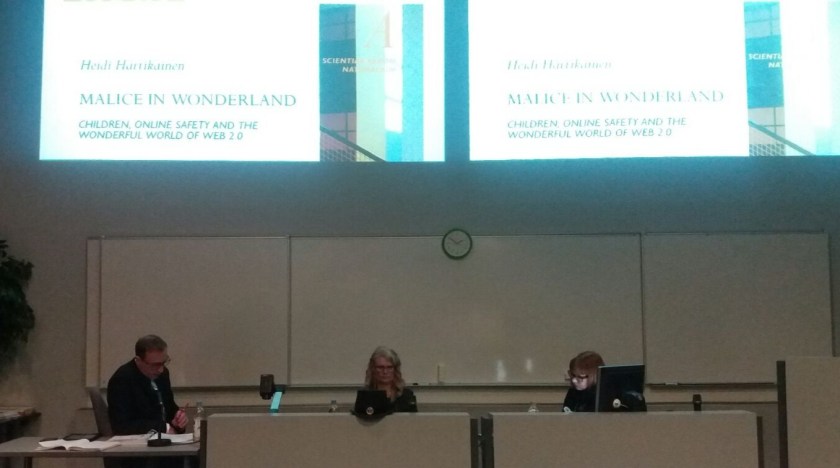
Defending my thesis, my opponent was prof. Ole Sejer Iversen from Aarhus university. As a kustos, my supervisor Netta Iivari 
Proud doctor featured in a local paper 
Digital footprints
- Kaleva 26.02.2018. Lapsilla hyvät nettiturvallisuustaidot – Tutkija: Myös lapsella on tarve ja oikeus yksityisyyteen
- Oulun ylioppilaslehti 21.02.2018. Lapsilla hyvät nettiturvallisuustaidot – Myös lapsella on tarve ja oikeus yksityisyyteen, muistuttaa tutkija
- Iltalehti 28.11.2017. Suomalaistutkimus: Lapset kokevat jäävänsä vaille aikuisten turvaa nettimaailmassa
Related publications
- Hartikainen, H., Iivari, N., Kinnula, M. (2019). Children’s design recommendations for online safety education. International Journal of Child-Computer Interaction. Volume 22, 2019, 100146, ISSN 2212-8689. https://doi.org/10.1016/j.ijcci.2019.100146
- Hartikainen H., Iivari N., Kinnula M. (2017) “Maybe Some Learn It the Hard Way”: A Nexus Analysis of Teachers Mediating Children’s Online Safety. In: Stigberg S., Karlsen J., Holone H., Linnes C. (eds) Nordic Contributions in IS Research. SCIS 2017. Lecture Notes in Business Information Processing, vol 294. Springer, Cham. https://doi.org/10.1007/978-3-319-64695-4_9
- Hartikainen, H., Kinnula, M., Iivari, N., & Rajanen, D. (2017) Finding common ground: comparing children’s and parents’ views on children’s online safety. In Proceedings of the 31st British Computer Society Human Computer Interaction Conference (HCI ’17). BCS Learning & Development Ltd., Swindon, GBR, Article 43, 1–12. https://doi.org/10.14236/ewic/HCI2017.4
- Hartikainen, H., Iivari, N. & Kinnula, M, (2016). Should We Design for Control, Trust or Involvement? A Discourses Survey about Children’s Online Safety. In Proceedings of the The 15th International Conference on Interaction Design and Children (IDC ’16). Association for Computing Machinery, New York, NY, USA, 367–378. https://doi.org/10.1145/2930674.2930680
- Hartikainen, H., Iivari, N., Kinnula, M. (2015). Children and Web 2.0: What They Do, What We Fear, and What Is Done to Make Them Safe. In: Oinas-Kukkonen H., Iivari N., Kuutti K., Öörni A., Rajanen M. (eds) Nordic Contributions in IS Research. SCIS 2015. Lecture Notes in Business Information Processing, vol 223. Springer, Cham. https://doi.org/10.1007/978-3-319-21783-3_3
 Heidi Hartikainen